
Maleo (Maleo Senkawor)
Macrocephalon maleo
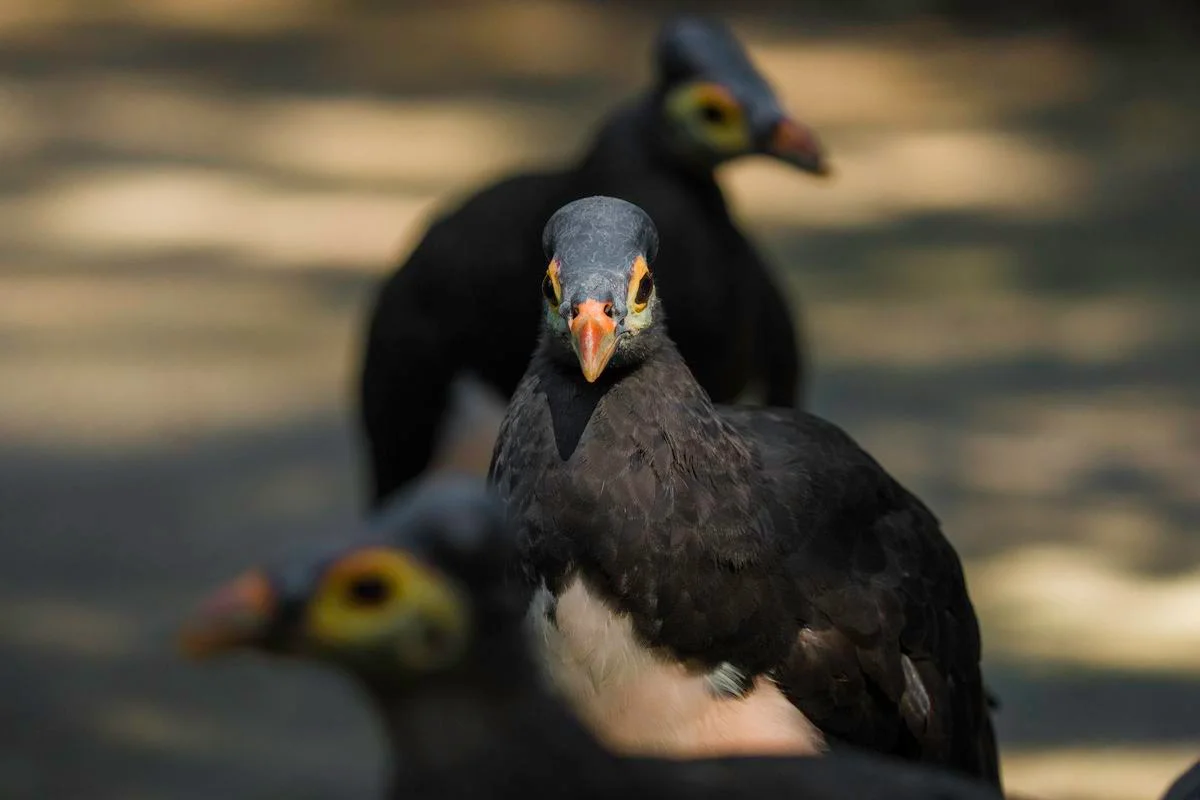
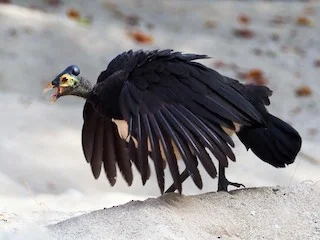
Macrocephalon maleo are remarkable megapodes endemic to Sulawesi that use geothermal heat or sun-warmed sand to incubate their unusually large eggs rather than sitting on nests. They travel between forest feeding areas and specific communal nesting grounds where pairs dig deep holes to bury eggs in warm substrates.
Where you might see it
Found on mainland Sulawesi at protected nesting grounds including Taima Sanctuary and sites along the Tompotika coast near Banggai. Visits require special arrangements with conservation programs — these are not casual wildlife viewing sites but actively managed breeding areas.
How to spot it
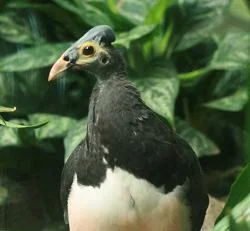
At authorized sites with trained guides, observe from designated viewing areas as pairs arrive to dig nesting holes. Early morning offers the best activity. Watch for distinctive black plumage with salmon-pink breast and prominent head casque. They're ground-dwelling and extremely wary of human presence.
Responsible Encounter Guidelines
- •Visit only official protected sites with authorized guides — unauthorized access harms populations.
- •Never approach active nesting sites or digging birds — disturbance causes nest abandonment.
- •No flash photography or drones — these critically endanger breeding success.
- •Keep groups small, voices low, and movement minimal during observation periods.
- •Never purchase maleo eggs — buying them directly funds the poaching driving their extinction.
Gallery
Conservation Status
IUCN Critically Endangered; pressured by egg harvesting and habitat loss.