
.webp)
Pulau Puah
First island, first impression. Where the archipelago begins.
Snapshot
First stop entering the archipelago from Luwuk.
Overnights recommended to ease into island time
Snapshot
First stop entering the archipelago from Luwuk.
Overnights recommended to ease into island time
Why it matters
- • Gateway island — your first stop entering the archipelago from the continent.
- • Sets expectations for what the Togeans are: empty beaches, exceptional coral, quiet villages.
- • The transition point where modern restlessness ends and island peacefulness begins.
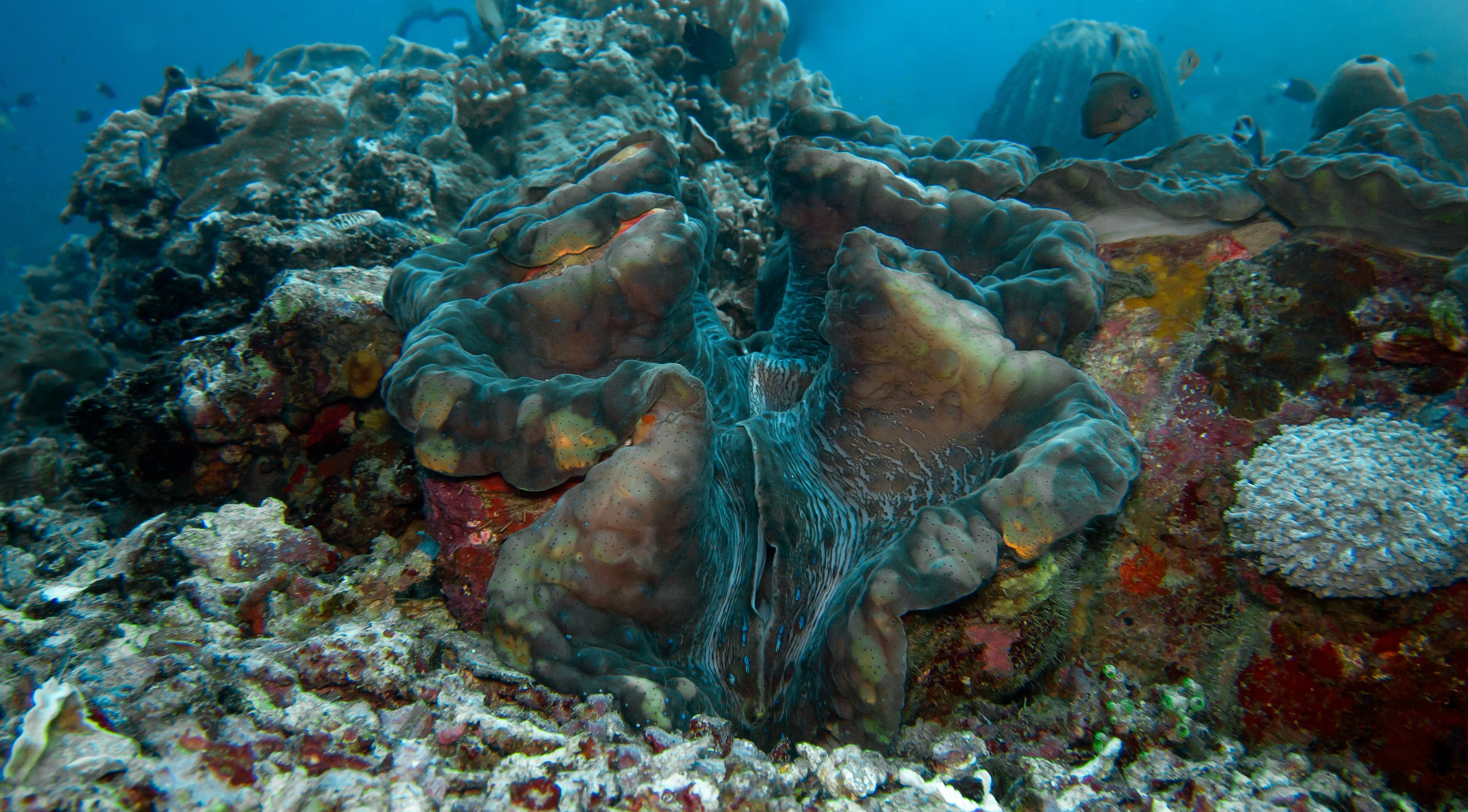
The sea around Puah
Flat reef with sandy channels between coral gardens, dominated by massive table corals and sponges that grow to three meters here — larger than anywhere else in the Togeans. Clear warm water, turtles cruising the shallows, fish schools moving through the gardens. The reef starts close to shore and runs flat enough to snorkel without effort.
Giant sponge reefs
The sea around Puah
Flat reef with sandy channels between coral gardens, dominated by massive table corals and sponges that grow to three meters here — larger than anywhere else in the Togeans. Clear warm water, turtles cruising the shallows, fish schools moving through the gardens. The reef starts close to shore and runs flat enough to snorkel without effort.
Giant sponge reefs
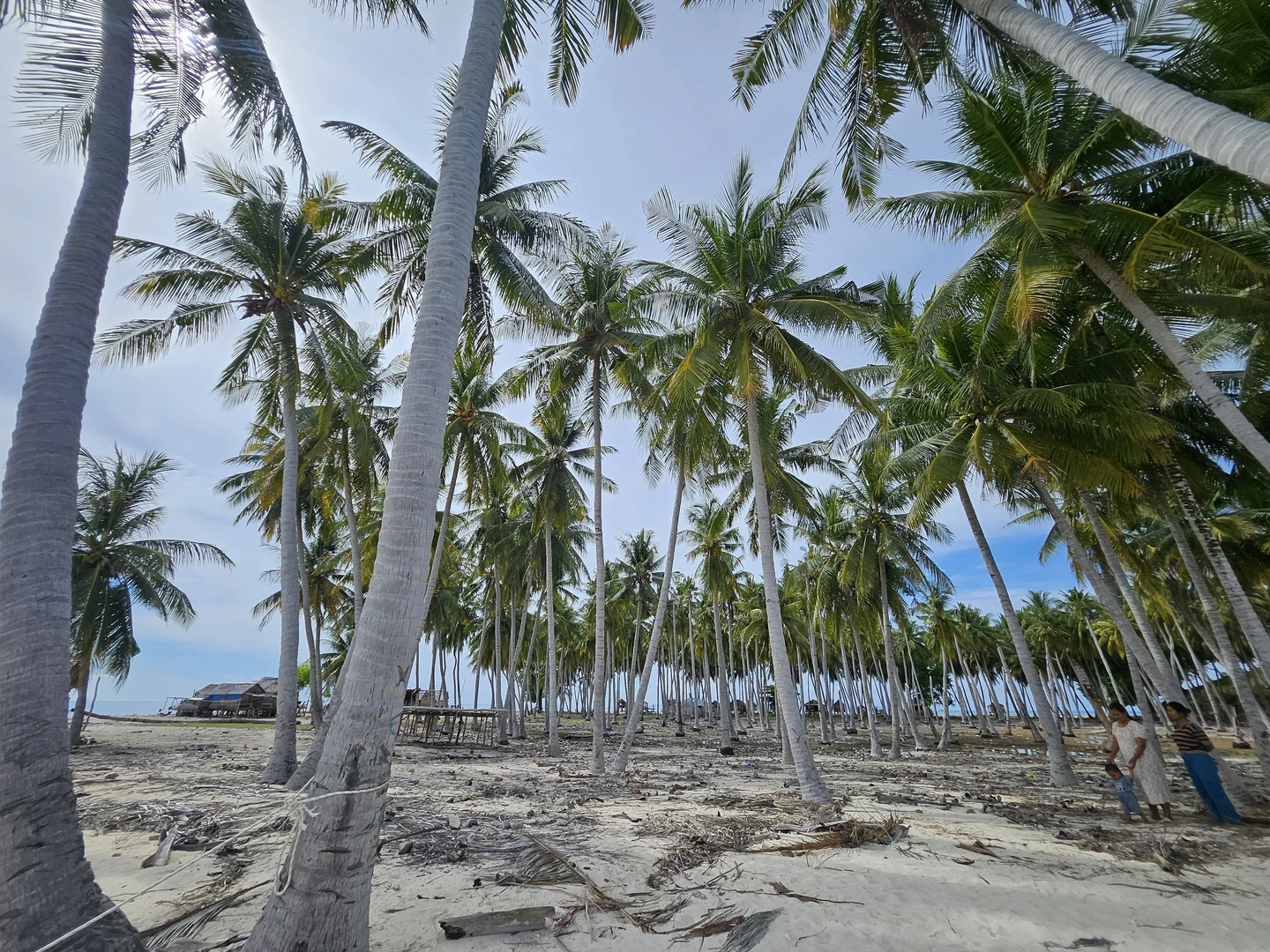
Beach and forest
Eighty-eight percent of the island is covered in dense evergreen broadleaf forest that runs straight to the beach edge. White sand stretches between village settlements with no infrastructure, no development, just tree cover meeting shoreline. The interior is quiet, dense, and largely unexplored.
88% forest cover
Beach and forest
Eighty-eight percent of the island is covered in dense evergreen broadleaf forest that runs straight to the beach edge. White sand stretches between village settlements with no infrastructure, no development, just tree cover meeting shoreline. The interior is quiet, dense, and largely unexplored.
88% forest cover
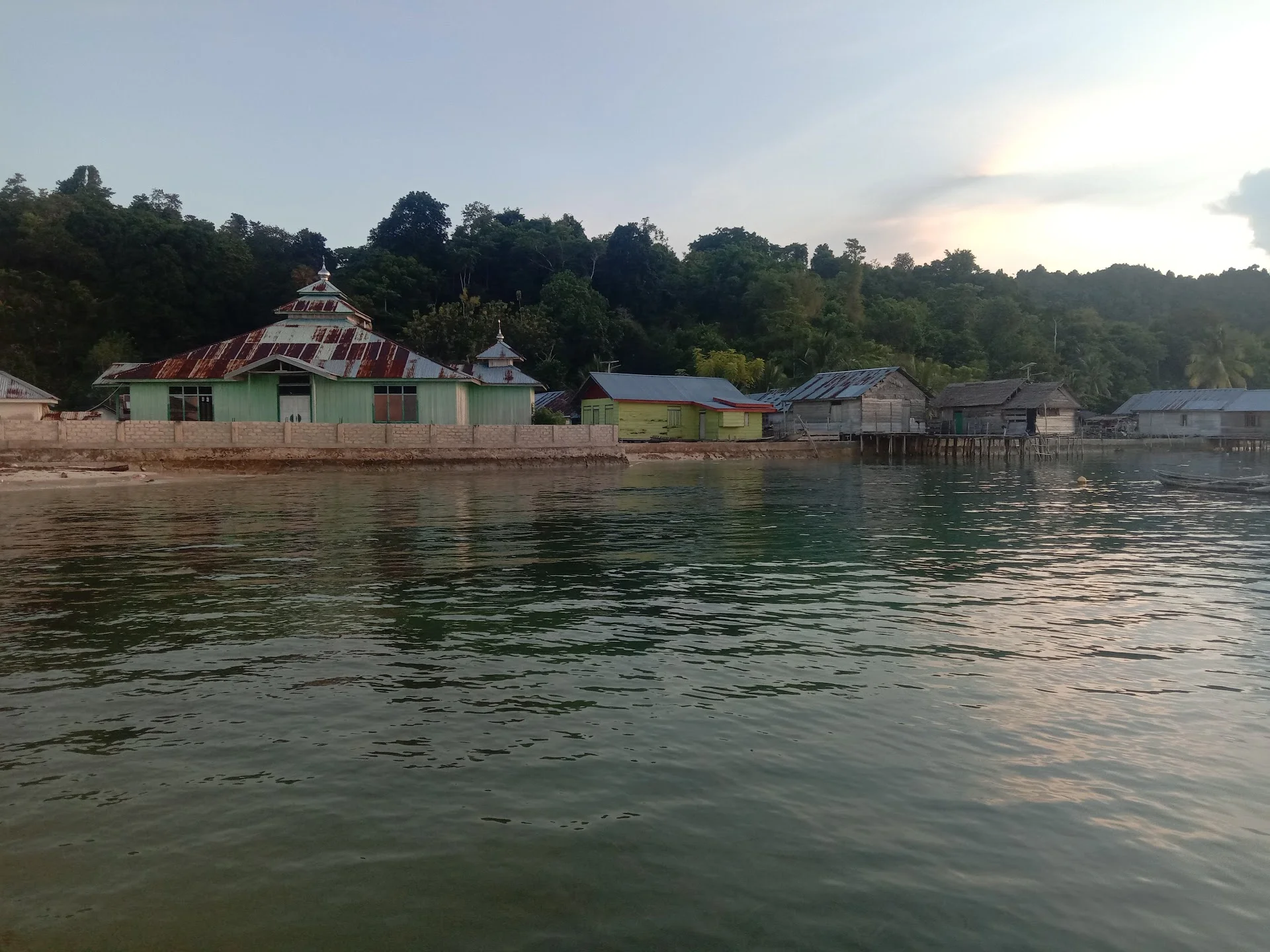
Pagimana, Balaigondi, Tampe
Three fishing villages with no roads connecting them and no cars on the island. People move by boat along the coast or on foot through forest paths. Wooden houses, fishing boats pulled onto sand, children walking trails between settlements. Daily life here has no tourist infrastructure around it.
3 villages, no roads
Pagimana, Balaigondi, Tampe
Three fishing villages with no roads connecting them and no cars on the island. People move by boat along the coast or on foot through forest paths. Wooden houses, fishing boats pulled onto sand, children walking trails between settlements. Daily life here has no tourist infrastructure around it.
3 villages, no roads
Route Planning
First stop entering the archipelago from Luwuk.
Overnights recommended to ease into island time
- — Closest island to mainland Sulawesi — shortest boat crossing.
- — Very limited accommodation. One or two basic guesthouses.
- — First impression matters — this sets the tone for the rest of the journey.
Practicalities
- •Beaches: Long stretches of white sand between villages and jungle, mostly empty.
- •Reef: Exceptional coral quality right from shore — your introduction to Togean diving standards.
- •Villages: Small, traditional, minimal tourist infrastructure. Real island life, not performances.
In Moments
.webp)
.webp)